
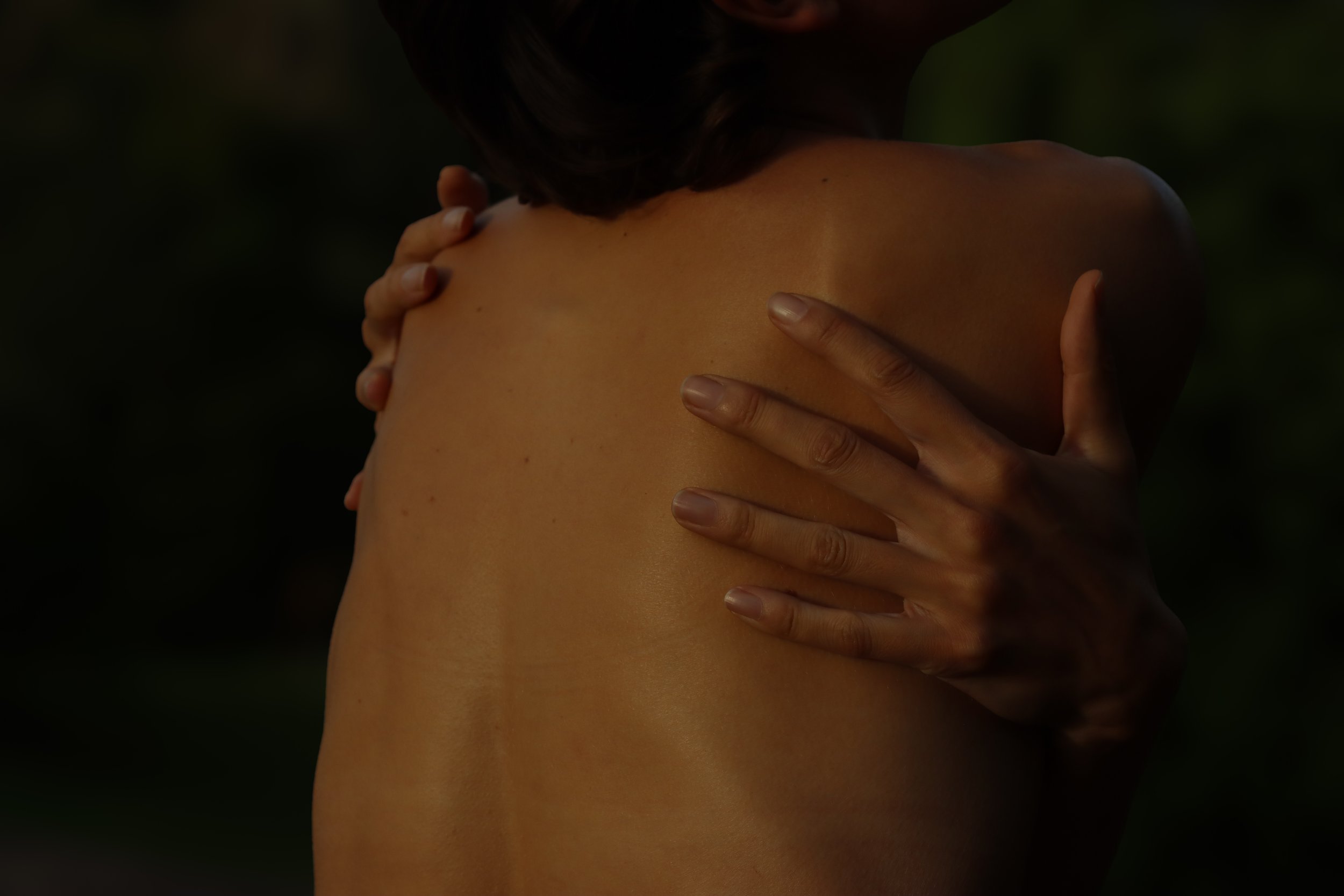
What is somatic therapy?
Somatic therapy is most simply a way of consciously reshaping the nervous system by teaching it safety. In somatic therapy, we do this by directing the conscious mind towards our inner experience, which includes all sensory information, bodily sensations and emotions. Over time, this helps establish a deeper understanding of our “survival” physiology, whilst helping us learn (often for the first time) a sense of physical safety.
How I became a Somatic therapist
To make all of this more graspable, let me take you back to when I was 15 years old. I remember this time vividly. It was the end of an era, and it really felt like one. It was the end of my childhood and so called ‘real-life’, was not just knocking, but kicking in the door, screaming:”what do you want to do in life? You have 12 months to decide!”
How I became a philosophical counsellor
I was philosophically counselling people long before I became a philosophical counsellor. In fact, this process played out for more than ten years before I began to take seriously (something I must thank Prof. Luis de Miranda for due to his incredible work on philosophical health and the guidance he offered me during my SMILE_PH certification) the prospect that I might be able to formally offer counselling focused largely on the existential dimensions of our being.
As I look back it all seems like it played out as it should. Every challenge led to some new opportunity. Every closure became an unexpected opening. It sounds cliche. It is cliche. But, we can’t really see what’s going to happen. We have to make sense backwards whilst attempting to live going forwards. This can be tough. People get stuck in the past. People become obsessed with ‘grounding (only) in the present’. People spend their entire days thinking about tomorrow (or next century!).
None of those modes are individually healthy. Inhabiting all three, simultaneously, is where we find ourselves most alive in the seemingly unique way of being (an adult) human.
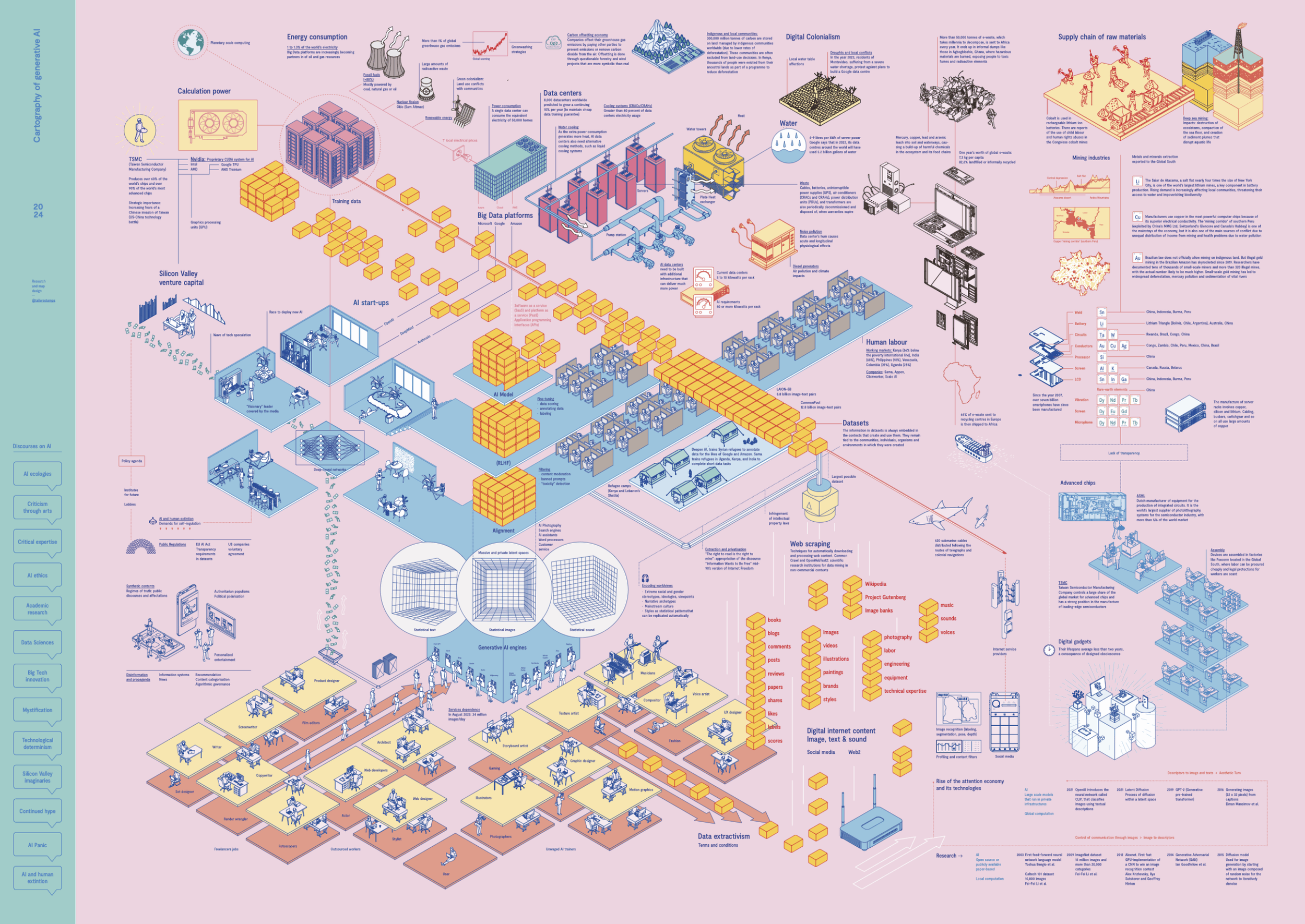
Becoming more human in an AI world: A lecture for the Royal Society of the Arts
The ‘AI Arms Race’ is a dangerous dynamic where self-motivated, thoughtless action is harming the whole (our planet, our society, our wellbeing). In this lecture for the Royal Society of the Arts, I provide an overview of critical risks, describe the importance of our work at ioēs, and encourage the audience to orient towards and act on hope; belief in the possibility of better.
This lecture was the final instalment in the AI and the Planet series Nate led for the Royal Society of the Arts, each episode featuring a leading scholar of practitioner whose work is helping us better understand the ways in which AI is impacting us.
Why we should all be actively hopeful
Optimism is the belief that things will be better.
Pessimism is the belief that things will be worse.
Hope is the belief that things can be better (grounded in the clear recognition of our agency and the fact that this possibility is the result of near infinite inter-connected variables).
Active hope is acting positively based on the belief that things can be better.

Philosophy as a way of life
Academic philosophy is often described as something like “the systematic study of ideas and issues, a reasoned pursuit of fundamental truths, a quest for a comprehensive understanding of the world, a study of principles of conduct, and much more”. Although there’s no one description or definition that is broadly agreed in the year of 2026, there is general agreement that philosophy is a commitment to rigorous, disciplined, systematic examination, reflection and analysis. However, this misses something crucial. The ancient philosophers, although deeply concerned with systematically investigating the big questions, were passionately interested in how this systematic examination transformed us. They were interested in how this way of examining, reflecting and discovering could translate into practices that could be consistently enacted in service of changing us as beings in important ways (Aristotle’s work on Virtue from Nicomechean Ethics is particularly resonant with this).
Philosophy, as I use the term, is therefore not just a way of thinking or analysing or making decisions. It is an intentional stance; a way of being. In this context, philosophy is about our seemingly unique capacity for conscious, abstract thought, and the way this can transform our entire being through informing and guiding and holding us accountable to specific kinds of action. In effect, it’s about how our conscious minds can change the world.

Philosophical Counselling is for you if…
The world isn’t making sense.
You feel locked into a trajectory not of your choosing.
You worry about the future.
You feel there is a disconnect between what you value and how you act.
You are unsure what it is you truly value.
You don’t know which beliefs are yours or simply the beliefs you have inherited.
Somatic Therapy is for you if…
You feel overwhelmed, dysregulated or always on edge.
You feel emotionally distant, numb or disconnected.
You experience anxiety, chronic pain, fatigue or other mindbody (psychophysiological) symptoms.
You have low self-esteem.
Your internal dialogue is filled with pressure, criticism and negativity.
You obsess about your looks, always trying to present yourself perfectly.
Your self-worth depends on external validation or status recognition.
What is philosophical counselling?
Philosophical counselling is special kind of conversation where two (or more) parties engage in a healthy, respectful and deliberately challenging back and forth.
The counsellor invites you to explore the biggest and perhaps most powerful ideas in your life; What is reality? How does the world really work? What is knowledge? What do I value? How should I act? What really makes me me?
Through this process, a more critical, reflective and coherent picture can emerge that supports your everyday; Is this the right job for me? Should I really move countries? How do I actually want to spend my free time? Should I go back and study? How can I best support my kids in navigating the unique difficulties of modern life?
How does somatic therapy differ from psychotherapy?
The main difference between the various forms of psychotherapy and somatic therapy is that psychotherapy is a top down approach, whereas somatic therapy is a bottom up approach. This means that psychotherapy works predominantly with the mind; verbally expressing and processing to better understand and evolve past, present and future psychological dynamics. Somatic therapy works predominately with the body; creating safe conditions for a person to go towards difficult sensations, emotions, or memories. Through effective, evidence-based techniques, professional guidance and co-regulation, the necessary conditions for the body are created. Through this, suppressed emotions can be released, traumatic events can be processed, and fragmented or abandoned ‘parts’ of the psyche can be integrated.

Whole-of-organism, process relational
This is a theoretical paradigm that takes the basic nature of the world to be that of relational process: that is, it understands the basic constituents of the world to be events of encounter, acts or moments of experience that are woven together to constitute the processes by which all things occur, unfold, and evolve. Understanding ourselves and our relations with the world around us in this way, it is argued, can help us unwind ourselves from out of a set of dualisms that have ensnared modern thought over the last few centuries. In contrast to materialist, idealist, dualist, and other perspectives that have dominated modern western philosophy, a process-relational perspective more explicitly recognises the dynamic, complex, systemic, and evolving nature of reality.
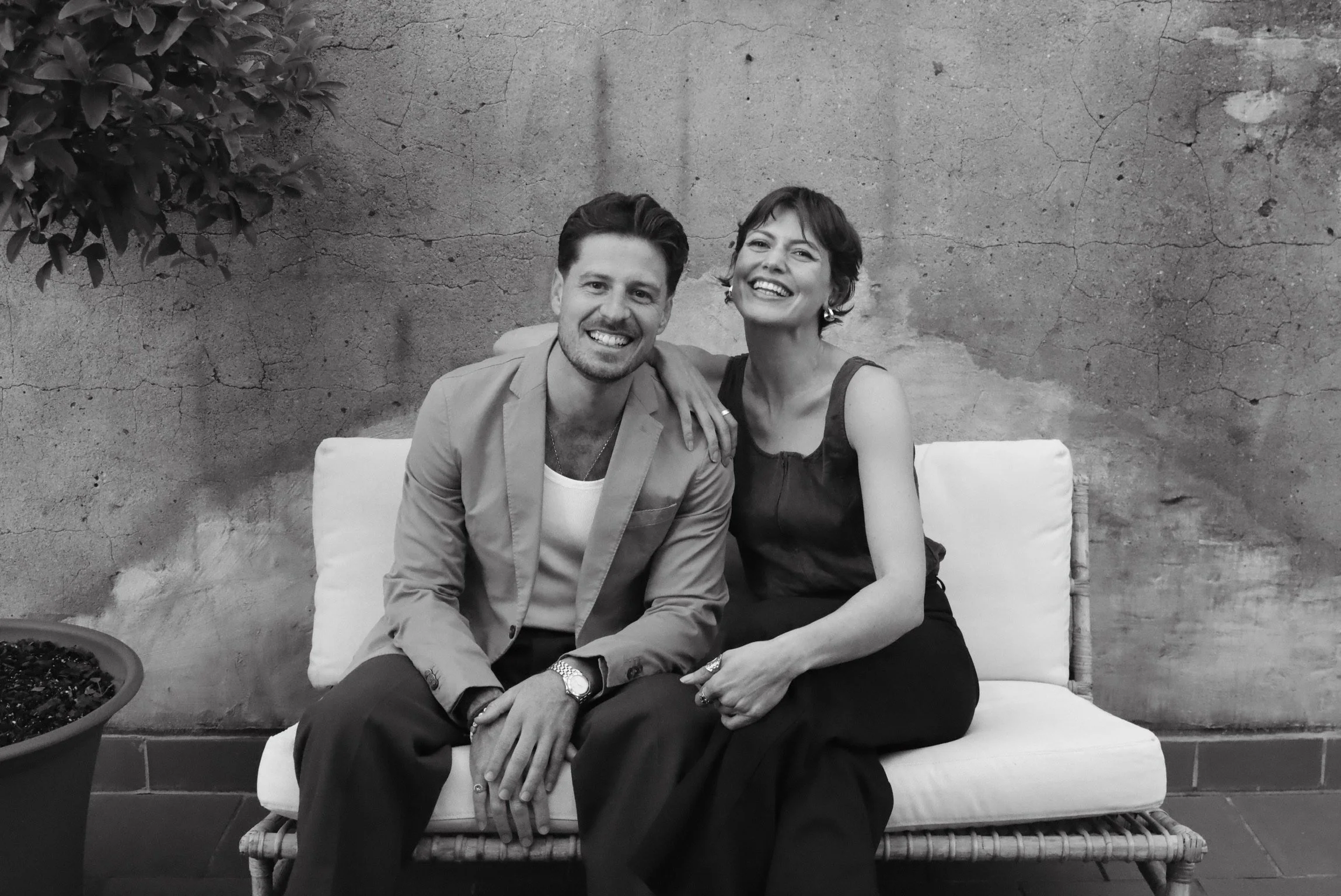
Welcome to ioēs
We decided to establish ioēs because we saw, so clearly, the impact the two disciplines we practiced were having on our lives and on the lives of the people we were supporting through our individual practice. However, neither approach individually seemed capable of engaging with the whole-of-organism, process-relational philosophy that grounds our practice.
For example, somatic therapy helps people heal emotional wounds, build the capacity to meet life’s difficulties, and exercise greater freedom. Whereas philosophical counselling helps clarify values, clearly articulate a life purpose, and develop coherent strategies for living a truly meaningful existence. Philosophical counselling cannot support the re-organisation of the nervous system. Somatic therapy can. Somatic therapy doesn’t clarify meaning, purpose and values that can be acted up. Philosophical counselling does. Together, we believe these approaches can help people navigate life’s beauty and difficulty with patience, kindness, courage, resilience and coherence.
That’s exactly what this has done for us.