
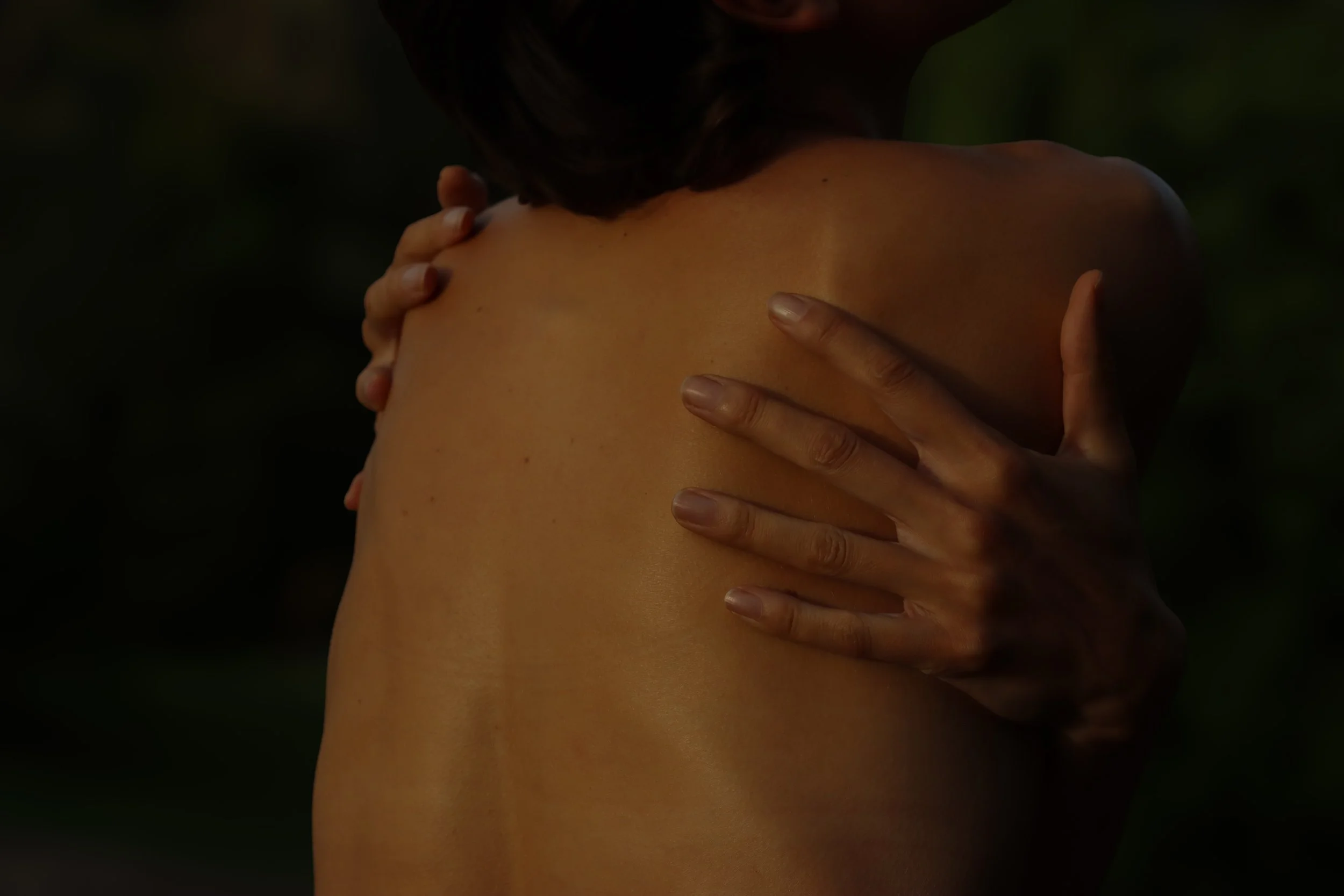
Gold Coast, Currumbin valleySomatic Therapy for worrying and overthinking.
Somatic Therapy is for you if…
You live in your head, struggling to be fully present.
You get stuck, overthinking and ruminating.
You think about all possible outcomes, especially the bad ones.
You do not trust your intuition.
You feel disconnected from your yourself.
You feel exhausted or overwhelmed but don’t know exactly why.
You are rarely able to relax.
You are always anticipating danger or worst case scenarios.
You tend to overanalyse; past, present and future.
You do not feel safe or “home” in your body.
You have a hard time trusting people, yourself or the environment.
You feel a lot but somehow struggle to allow your emotions to be felt.
You feel guarded, unable to be open and vulnerable.
You don’t experience joy or fulfilment in your life, even though things are going “well”.
Do you worry too much?
Worrying is a psychological adaptation and defence mechanism. Your brain has learned to anticipate, detect and avoid danger through heightened mind activity and scenario-analysis. That’s what worrying is. This process can contribute to a sense of “control” and “safety” and can in fact be helpful. It can lead to better decisions and actions. But, when worrying goes too far, when it becomes a habit rather than an active, deliberate process, it can become really challenging to deal with. You may feel constantly on edge, hyper-vigilant, unable to relax and mistrusting of your environment. When worry is experienced in this way, it hinders you from being present and often limits joy, creativity, healthy challenges and other exciting or interesting aspects of life. It can also hinder you from connecting with your internal experience and actually allowing yourself to feel your emotions.
How can Somatic Therapy help?
Somatic Therapy is an opportunity to slow down, feel truly seen, heard and valued, and learn how to experience whatever is arising for you in the present moment. Part of Somatic therapy is practicing body awareness. Using multi-modal, multi-sensory somatic techniques, we are training the mind to more clearly and attentively focus on present bodily sensations and experiences. This grounding in the body, through a process known is interoception, directs the mind towards something ‘in the now’. This, in itself, can begin to limit the constant worry and rumination you may have learned to habituate over time. It also helps regulate the nervous system, teaching the brain that now is safe, through vagal nerve, bottom-up communication.
This is particularly important because of the structure of the vagus nerve (the part of the nervous system most responsible for parasympathetic signalling, supporting rest, relaxation and ultimately a feeling of safety). 80% of the fibres in the vagus nerve are sensory, meaning the brain heavily relies on bodily cues and signals in order to interpret a sense of safety. This is what we mean by bottom-up; the process starts in the body. Top-down regulation differs in that is starts in the mind, with practices like cognitive soothing. Both are important, but in this context, we prioritise bottom up for this powerful, structural reason.
Learning about your bodily signals and regularly engaging in the practice of experiencing, tolerating and navigating them—including the underlying fears, beliefs and emotions that may be associated with a given experience—creates new neural pathways that help to shift the default setting from worry and rumination to a sense of safety, self-awareness and presence, which ultimately strengthens your stress resilience, agency and allows for more authentic expression.
Somatic Therapy from the beauty of the Currumbin Valley Eco Village.
We work with clients all around the world through thoughtfully designed online sessions, typically from the safety and comfort of your own home. However, we’d love to see you in person if you live nearby.
Our practice is located in the eco village nestled within the heart of the Currumbin Valley, Gold Coast.
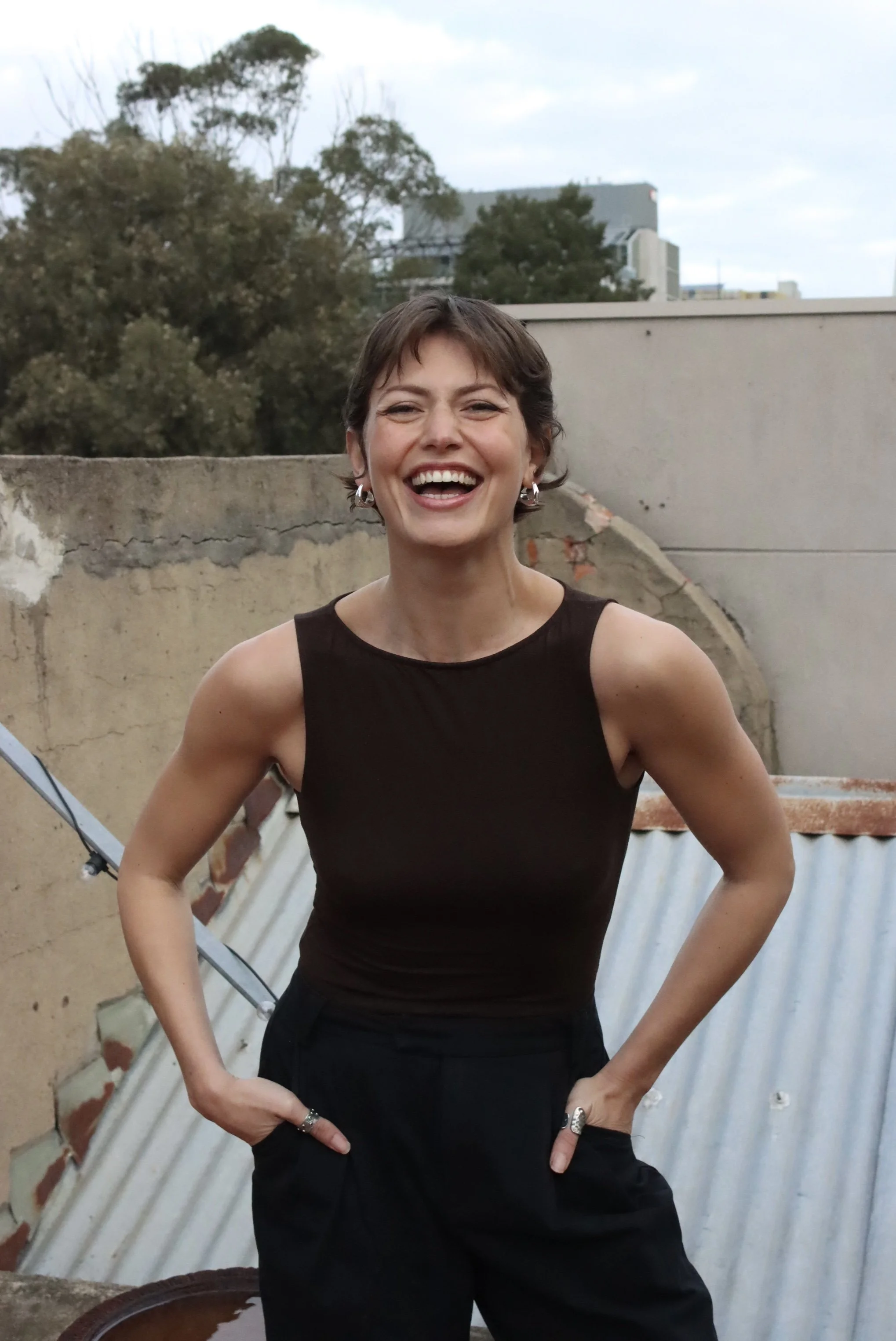
About Esther
Esther has dedicated nearly two decades to the question; what does it really mean to healthily and authentically express oneself? Through her background in dance, beauty, and para-medical science, consistent themes emerged in her client work and personal life; difficulty expressing and processing emotions, chronic stress, and disconnection from body and self.
With a passion for movement, human physiology, mindbody system dynamics, and the complex processes of nervous system adaptation, Esther helps clients attend to their emotional wounds and unmet needs in ways that not only reshape their nervous systems but helps clients gain more awareness, emotional capacity, agency, resilience and freedom for authentic self-expression. This is a context in which all of you is welcome and all of you becomes possible.
Esther is professionally trained and qualified in Somatic Therapy and Embodied Processing (TCFH), Craniosacral Therapy, Reiki, and is currently studying movement therapy.
Her Method
Embodied processing is an evidence-based approach to somatic therapy and nervous system regulation drawing from diverse modalities including Somatic Experiencing (SE), the NeuroAffective Relational Model (NARM), NeuroAffective Touch (NATouch), Internal Family Systems (IFS), The Diamond Approach (open ended inquiry) and Compassionate Inquiry (CI). In an EP session you will experience relational safety, attune to bodily signals, cultivate greater awareness of your unique survival physiology, progressively express unprocessed emotions, navigate the roots of trauma, underlying beliefs and fears, and integrate past experiences into a more resilient and well regulated mindbody system.
BIODYNAMIC CRANIOSACRAL THERAPY
We offer craniosacral therapy as an integration practice after a somatic therapy session (in-person only).
Biodynamic craniosacral therapy is a light touch, non-invasive and relaxing mindbody practice that focuses on deep listening, presence and the body’s natural ability to heal when held in a safe and supported environment.
This sense of safety allows the body to regulate and stay in the parasympathetic “rest and repair” state after therapy, which gives the body time and opportunity to integrate what’s been experienced, expressed and processed.
While somatic therapy as a practice alone is often enough and effective, the busyness of our lives and old nervous system patterns can often pull us back too quickly, disabling us from fully integrating the profound experiences and realisations that often arise within a session.
Craniosacral therapy offers a relational space where you can fully relax, trust and experience your mindbody’s innate power to learn, integrate, adapt and transform.